

A new study examines how Ukrainian craftspeople have continued their work since Russia’s full-scale invasion, documenting the effects of displacement, disrupted production and changing markets. It also includes policy proposals and a Resilience Toolkit for craftspeople working in Ukraine and abroad.
The European Crafts Alliance has published Ukrainian Crafts in Times of Crisis: Situation Analysis and Policy Proposals, a study conducted by the Ukrainian Maker Association in partnership with MZ Hub Research. The research covers Ukrainian craftspeople who have remained in their communities, been displaced within the country or relocated abroad. It draws on 211 survey questionnaires, 28 interviews and five case studies. The subjects range from workshop conditions and household income to professional training, sales and the availability of support.
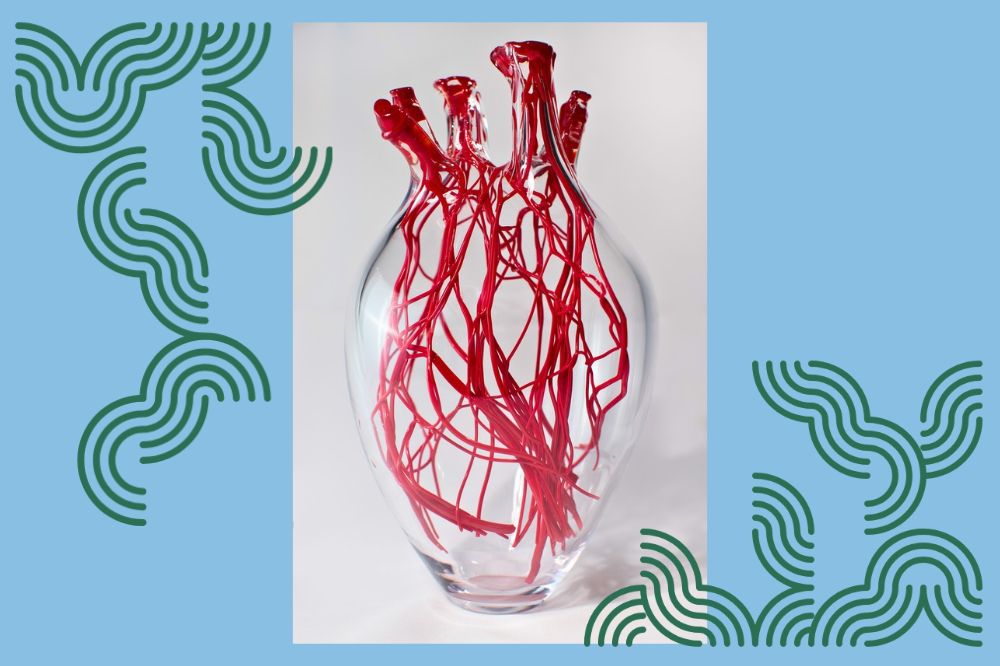
Heartstrings, Oksana Koklonska, Bevan Taka, photo: Alina Kravchenk
Working Under Wartime Conditions
For a glassmaker, a power cut can mean stopping work entirely. A kiln, ventilation system and oxygen concentrator all need electricity. For a potter who has relocated, finding a new workshop may be only the first expense. There is equipment to replace, materials to obtain and rent to pay before production can resume.
These are among the difficulties described by Ukrainian craftspeople since the full-scale invasion in 2022. Workshops have been damaged or abandoned, supply chains disrupted and domestic demand reduced.
Income has suffered. Among survey respondents who practised craft before 2022, 44% reported earning less from their work than in 2021. Nearly a third, 31%, reported a significant decrease.
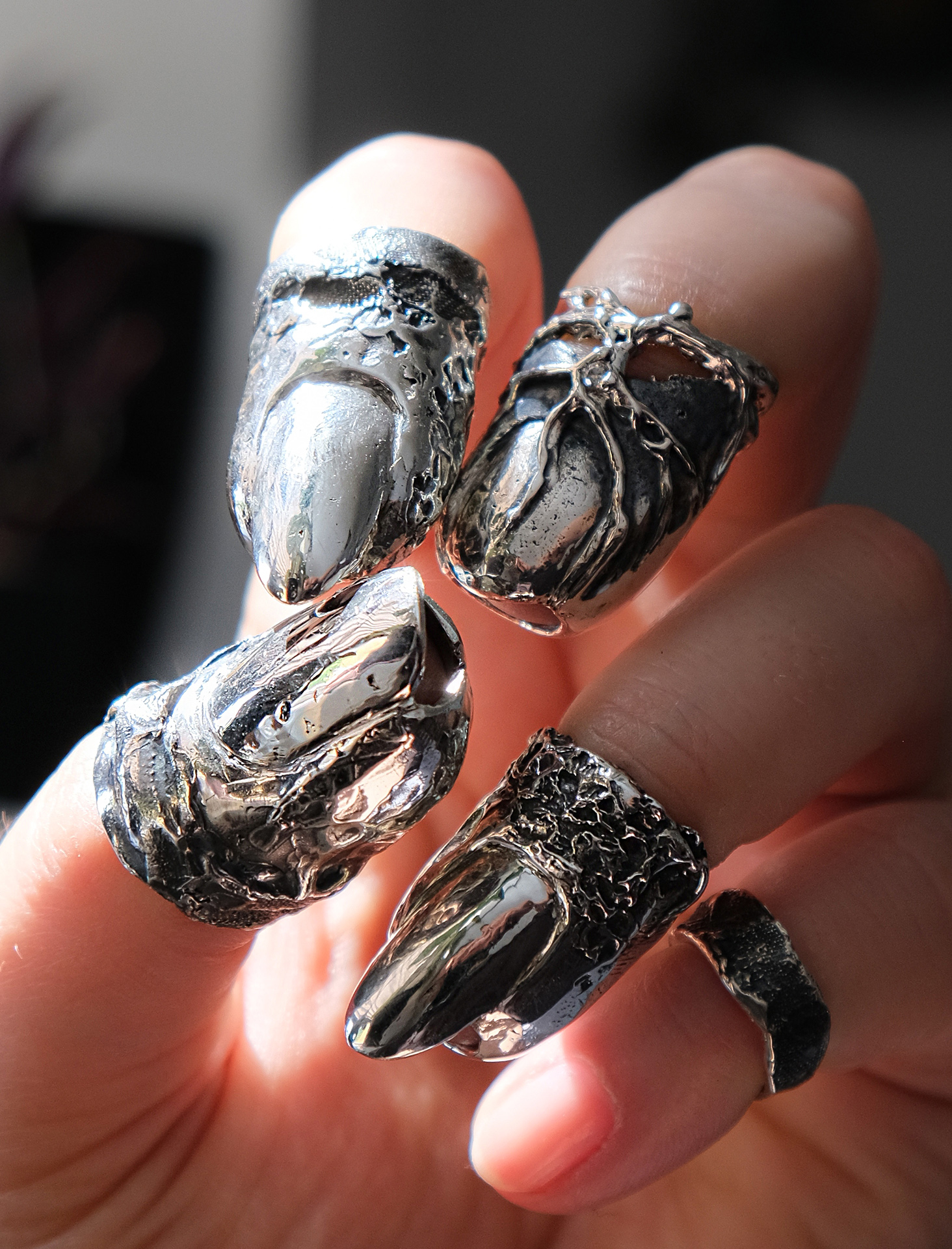
Thimbles by J.Myron © Yuliia Myronchuk, 2025
The effects of displacement are uneven. Craftspeople, who have remained in their communities, face security risks, power outages and material scarcity. Others have had to start again elsewhere in Ukraine. For those who moved abroad, finding customers and understanding local business rules can be as difficult as securing a place to work.
Professional contacts have become particularly important. Local organisations, colleagues and informal networks have helped craftspeople find suppliers, reach customers and continue working.
Five craftspeople, five experiences
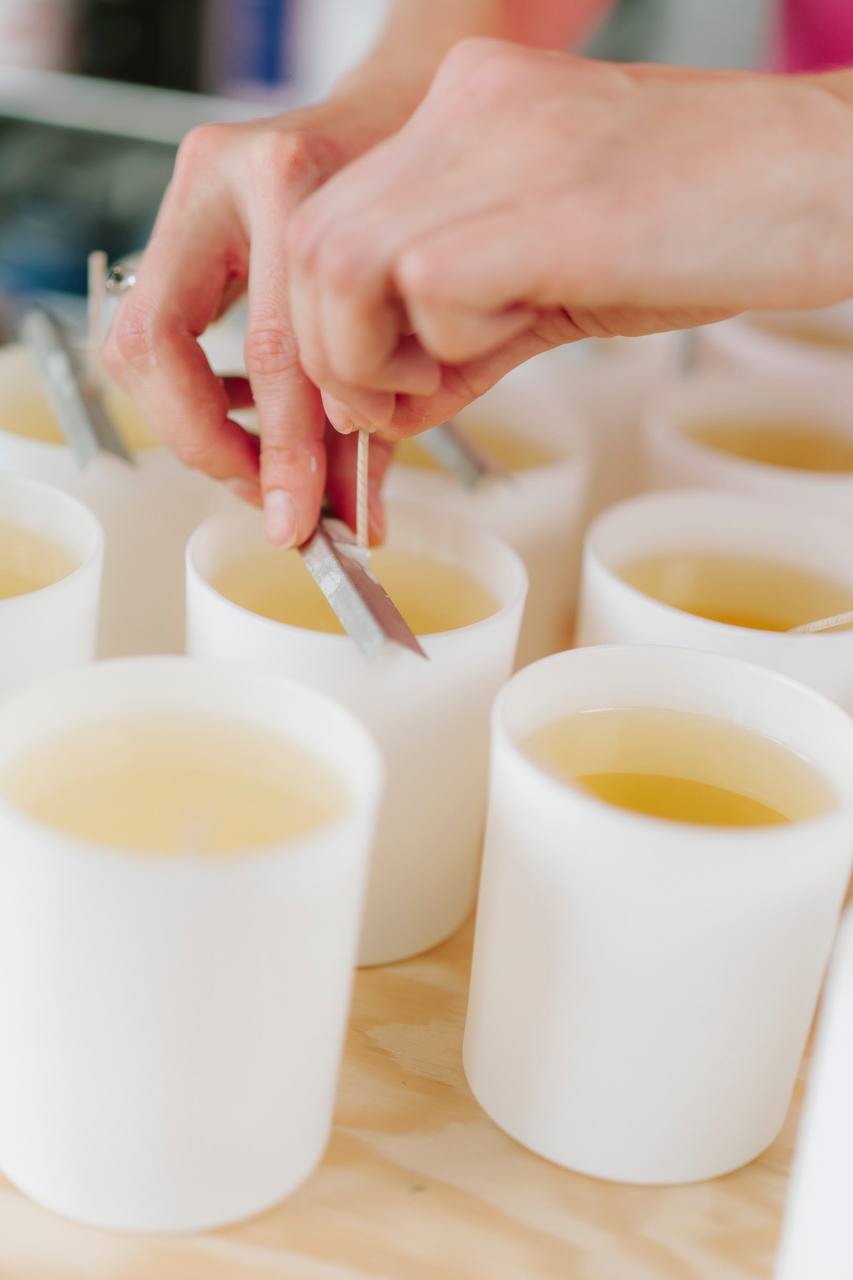
Thirteen Candle Studio @ Anastasiia Liakhova, 2025
The report includes five case studies, each following a different professional experience since the invasion.
Glass artist Oksana Koklonska left Kharkiv on the first day of the war, leaving her workshop and equipment behind. In Prague, she struggled to find facilities suitable for glassmaking. She eventually returned to Ukraine and established a workshop in Kyiv, where electricity shortages continue to interrupt production.
Anastasiia Liakhova, founder of Thirteen Candle Studio, relocated from Kyiv to Berlin. Her case follows the changes involved in adapting a craft business to another country, including finding customers and learning to operate in a new market.
In Lviv, Oksana Sokol researches and teaches vybiyka, a traditional Ukrainian block-printing technique. Her work combines the study of historical practices with workshops and the production of contemporary textiles.
Mykola Velychko, a potter from Starokostiantyniv, returned to ceramics after military service. His experience also examines the place of craft in rebuilding a professional routine and working with others.
The fifth case follows Demian’s Pottery Workshop, a family business that moved to Germany before returning to the Carpathians. The family has since resumed its pottery practice in Ukraine.
What the sector needs
The institutional picture remains unclear. Ukraine has no consistently applied definition of its craft sector, nor a dedicated statistical classification that covers contemporary craft activity. Potters, jewellers, weavers and other practitioners register their work under different economic categories. Even the number of active craftspeople in Ukraine cannot currently be established with confidence.
More than 60 organisations were identified as working wholly or partly with the sector, including professional associations, museums, educational institutions and international programmes. Much of their activity remains independent, making coordination and sector-wide representation difficult.
At the individual level, finding customers is one of the most pressing concerns.
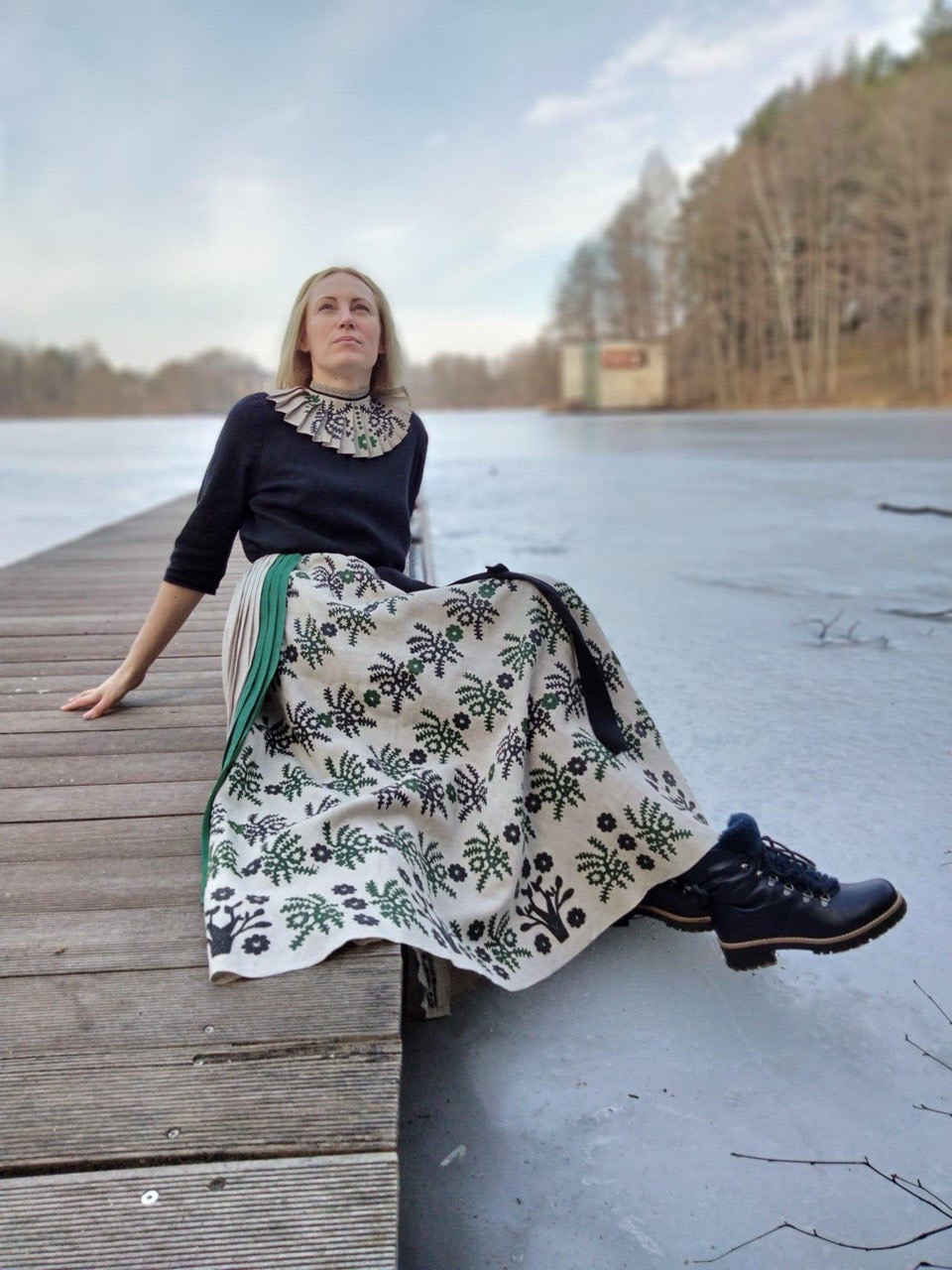
Oksana Sokol Art. © Oksana Sokol, 2026
In the survey, 35% of respondents identified communication, promotion and access to new markets among their most important professional needs. Improving the organisation of their work and production efficiency received the same proportion of responses. Almost a quarter, 23% prioritised finding materials, tools and suppliers.
Another important consideration is how craft knowledge is passed on. Among respondents, 79% said they had learned their craft independently. A quarter had trained directly with experienced craftspeople, while only 18% reported obtaining a relevant education at a specialised institution. These routes into the profession can overlap.
Policy proposals for Ukraine and Europe
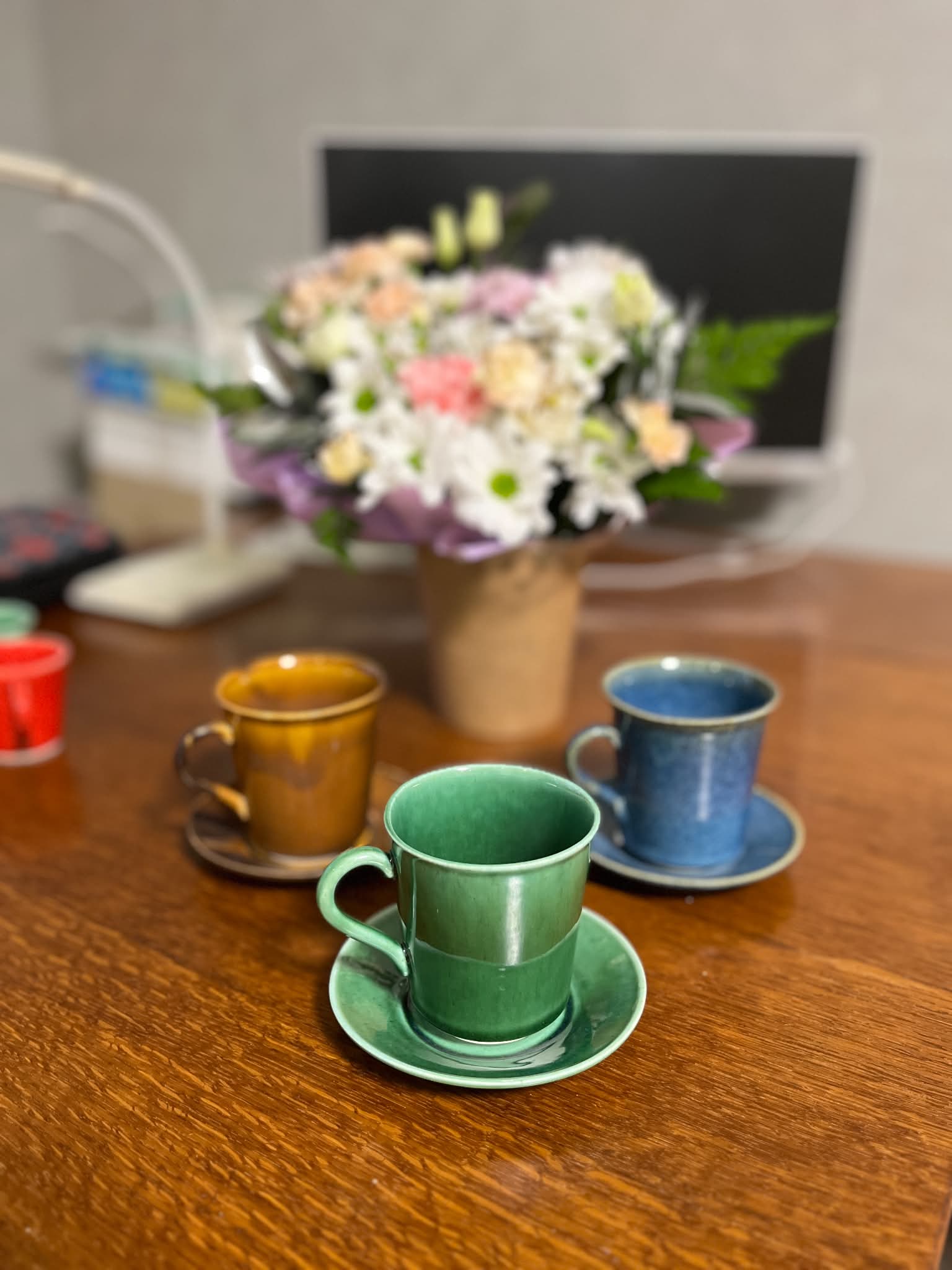
MyKolo. © Mykola Velychko, 2026.
The report addresses recommendations to Ukrainian public authorities, European institutions, professional networks and international funding organisations.
One proposal is to recognise craft as a distinct field within Ukrainian public policy and improve the way its economic activity is recorded. The authors also recommend simpler business registration procedures and regular collection of sector data.
Another priority is the production infrastructure. Shared workshops, makerspaces and access to equipment could help craftspeople who have lost their premises or cannot afford to establish new ones.
The report also proposes including craft in programmes concerning veterans, internally displaced people, vocational education and the recovery of local communities.
For European institutions and professional networks, the recommendations include greater access to exhibitions, professional exchanges, residencies and mentorship. Longer-term cooperation between Ukrainian and European craft organisations is proposed in place of relationships built around individual projects.
Finally, the report highlights that funding alone is not always sufficient. A grant may cover equipment, but craftspeople also need advice on business registration, taxation, pricing or selling internationally. The report recommends combining financial assistance with training and advisory services, adapted to the circumstances of those working in Ukraine and those who have relocated abroad.
A Resilience Toolkit for Ukrainian craftspeople
The publication also contains a Resilience Toolkit, developed from the experiences gathered during the research. It covers education and professional development, financial support, organising a craft business, selling in Ukraine, entering international markets and building a career abroad. A further section addresses how to maintain craft activity during the full-scale invasion.
The guidance deals with the everyday questions of professional practice, including where to look for training, how to approach business registration and what to consider before entering a new market. The Ukrainian Maker Association has also established a dedicated resource page intended to keep information on relevant organisations, programmes and support opportunities up to date.
Listen to the conversation
In a new episode of Craft Matters, the European Crafts Alliance podcast, Olha Truten, co-author of Ukrainian Crafts in Times of Crisis, joins host Adriana Campo to discuss the research and the experiences of Ukrainian craftspeople working through the war.
About the study
Ukrainian Crafts in Times of Crisis: Situation Analysis and Policy Proposals was commissioned by the European Crafts Alliance, developed by the Ukrainian Maker Association in partnership with MZ Hub Research, and is authored by Olha Truten, Kateryna Zagryvenko and Yuri Vlasyuk. The research combines a review of 39 publications with 211 survey questionnaires, 28 interviews and five case studies. Of the survey questionnaires, 167 were fully completed. The findings describe the participating sample and are not statistically representative of all Ukrainian craftspeople.
The study is part of the CraftsNet project, co-funded by the European Union.
ECA’s Research on the European Craft Sector
Ukrainian Crafts in Times of Crisis joins six previous ECA research publications, covering craft markets, consumer behaviour, business development, digital technologies, resilience, European policy priorities, and health and wellbeing.
Explore ECA studies:
- The European Market for Crafts together with The New Consumer of Crafts (2023)
- Analysis of the Resilience of the Crafts Sector (2023)
- Research on Business and Production Opportunities (2024)
- Analysis of the Integration of Digital Design and Fabrication Technologies on the Crafts Sector (2024)
- European Crafts Sector and the Creative Europe Cross-Cutting Priorities (2025)
- Crafting Health and Wellbeing (2026)